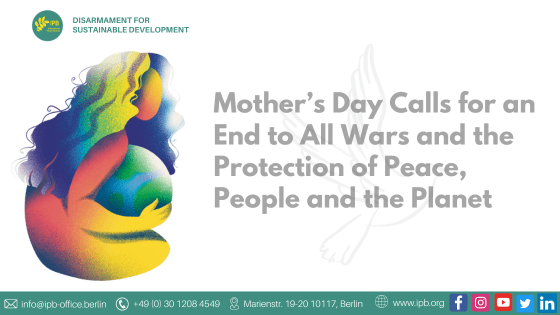
IMA: The International Mothers Association launched on Mother’s Day Calls for an End to All Wars and Protection of Peace, People and Planet in Manipur, Ukraine, Sudan and Around the World
“I am sure that if the mothers of various nations could meet, there would be no more wars.” – E.M Forster
14 May 2023: Afghan, Assamese, Karbi, Kurdish, Naga, Kuki, Meitei, Greek, Bolivian, Norwegian, American, Filipino, Chakma, African American, Indigenous women, mothers, people from Afghanistan, Bolivia, Turkey, Philippines, Chittagong Hill Tracts, Bangladesh, Greece, Manipur, Sikkim, Meghalaya, Karbi Anglong, Guwahati, Assam, New York, Washington DC, Sakha Republic of Siberia, met on 14 May 2023 and successfully launched IMA: The International Mothers Association on Mother’s Day.
The aim of the global organization is for mothers, women, people from all walks of life, across countries, cultures, ethnicities, and faiths to come and work together to find peaceful solutions to the world’s global conflicts and unite for protecting peace, people and planet. The International Mothers Association at the launch recognizes that currently there are 21 known conflicts in the world and 378 forgotten conflicts which have resulted in hundreds of thousands killed and 110+ million people displaced. An average of one person in the world is displaced every two seconds.
The launch highlighted the current ongoing conflicts in the world such as in Manipur, paid condolences for the 71 lives that were lost and mourned with families who’s over 1700 homes were burnt and 43,000 people displaced. The launch also highlighted the plight in Sudan which is experiencing violent conflicts resulting in over 600 killed and over 700,000 people displaced. IMA also highlighted the ongoing civil war in Myanmar where 2,890 people have died, 1.2 million people have been internally displaced and 34,000 civilian structures, including homes, clinics, schools and places of worship, have been burnt over the past two years.
The launch highlighted the ongoing conflict in Ukraine where over 354,000 Russian and Ukrainian soldiers have been killed. 61.1 percent of confirmed civilian casualties were men, and 39.9 percent were women. 14 million people have been displaced from their homes. At least 487 children were killed and 954 injured in the war to date. The IMA launch also highlighted the violence in Peru where over 17 people were gunned down during the protests in the beginning of 2023.
The IMA launch highlighted the historic origins of one of the oldest women’s movements- namely Manipur’s Nupi Lan or Women’s War of 1904 and 1939 Against British Colonial Rule and Policies. It also noted the establishment of the Women’s International League for Peace and Freedom in 1915 when more than 1,100 women from 12 countries travelled across Europe to the Netherlands to protest against the war that was raging across their borders.
One of the first mother’s organizations in Northeast India was the Manipuri Meira Paibis, meaning women with flaming bamboo torches that had its inception in the 1970s as the Nishabandi movement to tackle alcohol abuse and in 1980s when the Armed Forces Special Powers Act was imposed in Manipur valley area and many young people were killed and many disappeared. Mothers in Manipur built bamboo huts and took turns to patrol the streets at night with bamboo torches. Naga Mothers Association (NMA) is also another prominent civil society organization that was established by women in 1984 in Kohima, Nagaland. The Kuki Mothers Association (KMA) was formed after the Kuki-Naga Clash of 1992-1993 when hundreds of villages were burnt down, and thousands of people were rendered homeless on account of ethnic clashes in the hills of Manipur.
The International Mothers Association shared information about the work of The Mothers of Plaza de Mayo, Argentina that was formed in the city of Buenos Aires, Argentina on April 30, 1977. The organization was first formed to petition against the disappearance of their children. The Committee of Soldiers’ Mothers of Russia founded in 1989 as well as the “Saturday Mothers” founded on 27 May 1995 to remember over 1,000 Kurdish men and women who disappeared were also highlighted at the event. The Saturday Mothers gather in Istiklal Street in Istanbul at 12 PM every Saturday carrying red flowers and photos of the disappeared people, presenting them with letters and poetry and sit-in in silence. The launch also highlighted the work of the Million Moms March in the U.S.A., the mothers of the Disappeared in Kashmir and Sri Lanka and of the Missing and Murdered Indigenous Women and Girls in Canada and many other movements led by black, brown and indigenous women, mothers and people from around the world.
Speaking at the launch of International Mothers Association, Professor Elsa Stamatopoulou, Director of the Indigenous Rights Program at Columbia University in New York City stated, “We are from different parts of the world and global hot spots. The beauty of this initiative is that we as women and mothers are joined together in solidarity.”
Rose Mangshi Haokip, a noted Kuki Women Leader said, “Mothers are not turning back. All mothers are coming together for peace. They have done that during the past communal clashes, and they will come together now.”
Bridget Moix, Secretary General of the Friends Committee on National Legislation said, “As a mother of two boys, I greatly worry about the gun violence and mass shootings that are taking place in my country. The U.S. can play an important role in reducing violence. We must continue to work to protect peace, people and the planet.”
Nidia Bustillos from Bolivia said, “Groups are divided, and we create war. In our bodies, we are divided, that’s why we are at war. Not only people but animals and the planet are also dying. We don’t have to be divided between ourselves. We must be complete to stop the wars.”
Cora Fabros, Co-President of the International Peace Bureau (IPB) from Philippines, Dr Pantibonliu Gonmei, President of Rongmei Lu Phum, Assam-Manipur-Nagaland, Hoinu Hauzel from Northeast Odyssey Fred Lubang and Mitzi Austero of Non-Violence International Southeast Asia, Farida Mohibi from Afghanistan,Megan Weise, human rights advocate, Sheryl Mendes of Freedom House, USA, Vera Solovveya from the Sakha Republic, Shaheen Hussain, President, CARDS & Poetess and motivational speaker, Tinat Atifa Masood from Assam, Pratima Enghiphee, Karbi Woman leader, Filmmaker Dr Meena Longjam, Amita Sangma from Civil Society Women’s Organisation, Meghalaya, Gilbert Smith from the Global Alliance of Indigenous Peoples, Gender Justice and Peace, Dr Nazan Bedirhanoglu from Turkey and Kelly Moltzen, Convener, Inter-faith Public Health Network, U.S.A. and Kristin Traavik from Norway also attended the launch meeting.
The launch ended with a recognition that the world is seeing a rise in rampant violence that has ripped apart communities as seen in Manipur, Karbi Anglong, Myanmar and other parts of the world. Efforts are to be initiated to open strong peace research areas to enable the understanding of why wars are happening and who is benefitting from these conflicts. The formation of “Mother’s Peace Circles” in all villages, regions, nations of the world to share information and evolve Indigenous peace building techniques to pre-empt conflicts and prevent violence flare ups were discussed and efforts to strongly engage governments and multilateral bodies at local, national and international platforms to advocate the ending of all wars and resolve any conflict through dialogue and negotiation.
Binalakshmi Nepram, Founder of the International Mothers Association at her closing statement of the launch event shared, “If wars and violence are engineered as we are seeing now, we, the women, the mothers will engineer peace. Imagine 100 mothers going to a conflict zone to urge warring parties to stop the violence before it flares up. Imagine 100 mothers for peace amidst us. This is the new Indigenous peace-making that the world and planet earth needs direly, and we call upon all mothers, all women, all people who care from around the world to join us in this effort to stop the wars. This violence must end – now and for all.”
The historic gathering reiterated on Mother’s Day a quote by Rumi, “We are born of love; love is our mother.”
For more details, contact: International Mother’s Association , Global Alliance of Indigenous Peoples, Gender Justice and Peace through Gaipgap@gmail.com