25 September 2026, Madrid, Spain
Statement – For a World in Peace and Progress
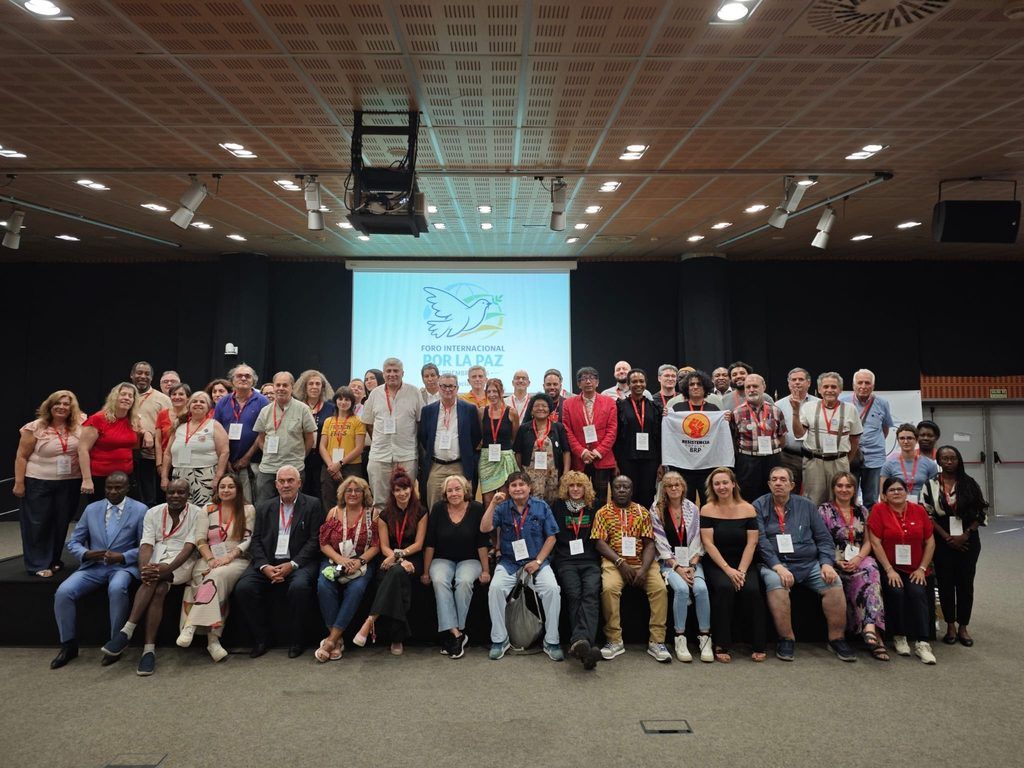
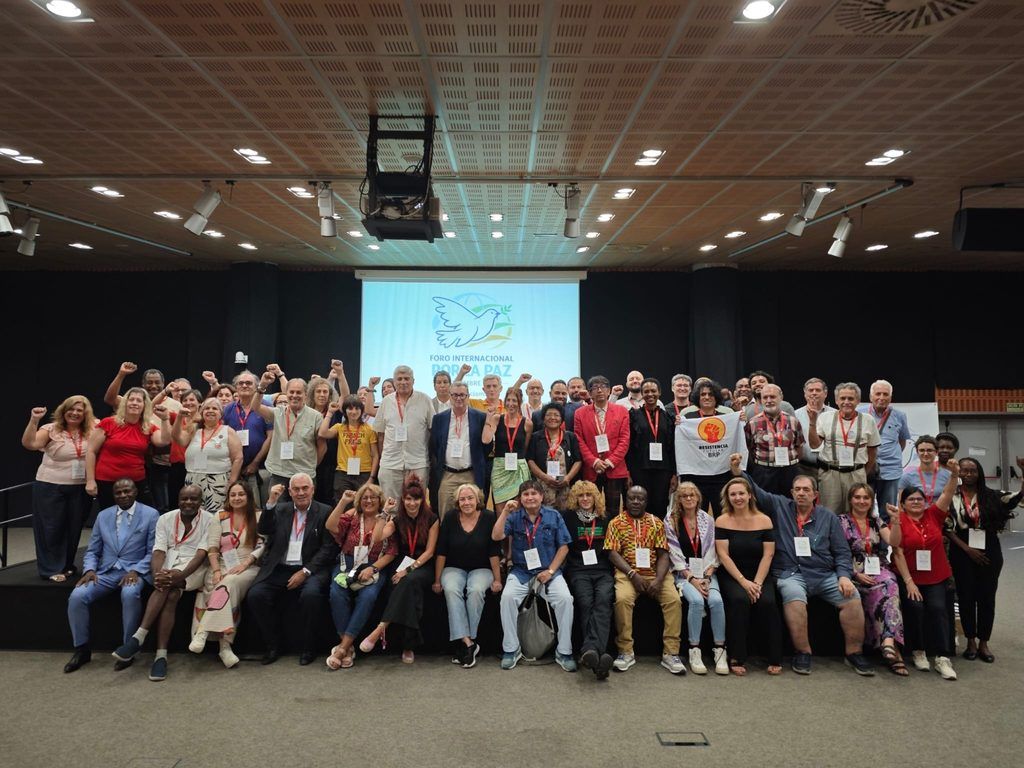
The 149 participants representing 63 organizations from 35 countries who took part in this International Peace Forum share deep concern over growing global instability, rising military spending, the militarization of international relations, and the escalation of conflicts that threaten collective security, social justice, and even the survival of humanity.
In 2026, the world is experiencing one of the most dangerous periods since the end of World War II, defined by a clear dichotomy: on one side, powers that insist on preserving a unipolar order sustained by centuries of colonial domination, with NATO acting as their military arm; on the other side, those of us promoting a new multilateral order committed to the principles of the United Nations Charter, peaceful coexistence, mutually beneficial cooperation, and solidarity among peoples.
The 2025 and 2026 NATO Summits—focused on increasing military spending at the expense of social spending—deepen an arms race that already reached $2.718 trillion in global military expenditure in 2024 and continues to rise steadily.
This situation is generating international tensions and highly dangerous armed conflicts that bring death and destruction to many parts of the planet. Furthermore, it represents a severe economic and social problem by diverting hundreds of billions of dollars to the arms industry instead of social expenditures to address hunger, disease, lack of housing, and other crises suffered by millions worldwide.
Conflicts are multiplying: the genocide perpetrated by Israel in Palestine and the aggression against Lebanon continue, alongside the war in Ukraine and the conflicts in the Democratic Republic of the Congo, Western Sahara, and Sudan.
In 2026, these are joined by the joint aggression by the United States and Israel against Iran, which has triggered a grave crisis in the Strait of Hormuz, threatening global energy stability; the January 2026 U.S. aggression against Venezuela; and the intensification of illegal, inhumane pressure on Cuba, expanding the blockade with an energy siege and attacks on Cuban public figures.
In this regard, we reaffirm that the economic, commercial, and financial blockade against Cuba, as well as its inclusion on the unilateral list of state sponsors of terrorism, are illegal, inhumane, and contrary to international law.
The situations in Sudan and the Democratic Republic of the Congo highlight the devastating impact of external support for armed actors, the systematic exploitation of resources, and military offensives that punish civil populations. Faced with this, we emphasize the need to end aggressions, withdraw foreign forces, guarantee humanitarian corridors, and recognize the essential role of grassroots communities and organizations in peacebuilding and defending the rights of affected populations.
From these perspectives, the organizations participating in this Forum advocate for:
- Developing peace and security policies from a comprehensive human approach, grounded in human dignity, human rights, justice, and violence prevention. Security requires addressing the root causes of violence and conflict while strengthening conditions for a just and sustainable peace. This means investing in conflict prevention, peacebuilding, mediation, reconciliation, and active nonviolence strategies, alongside broader efforts to protect communities and human life. Governments and international institutions must ensure that peacebuilding and prevention receive sustained political focus and adequate resources.
- Recognizing active nonviolence as an effective approach to peacebuilding. We advocate for greater recognition of nonviolent strategies as practical and effective tools to prevent and transform conflict and violence, including mechanisms like diplomacy, mediation, or negotiation, as well as nonviolent civil self-defense, unarmed civil protection, and civil resistance. National and international policies should invest in the knowledge, skills, and actors that make peacebuilding through these nonviolent means possible.
- Strengthening international cooperation, diplomacy, and multilateral peacebuilding. We advocate for stronger international cooperation and diplomatic mechanisms capable of preventing escalation, supporting dialogue, and addressing the underlying causes of conflict. International institutions should create meaningful spaces for civil society, religious organizations, and conflict-affected communities to contribute their expertise and recommendations. Respect for international humanitarian law, international human rights law, and the principles of multilateral cooperation remains essential for protecting people affected by conflict and pursuing a just peace.
- An International Treaty to prohibit and ecologically destroy the world’s nuclear arsenal. According to the report published in June by SIPRI (Stockholm International Peace Research Institute), out of a total global inventory estimated at 12,187 warheads in January 2026, approximately 9,745 were held in military stockpiles for potential use—131 more than the previous year. This arsenal represents an unacceptable risk to humanity.
- Addressing the climate emergency. The climate emergency threatens human security by worsening water and food shortages, displacement, and social conflict. It is therefore imperative to fulfill and enforce the agreements and protocols adopted at international climate summits. The last major summit, COP30 in Belém (2025), reinforced the need to accelerate climate action and reduce emissions. Failure by the United States to meet its commitments weakens international cooperation and hinders an effective global response to the climate crisis.
In this turbulent moment, we welcome the BRICS+ Declaration from the Rio de Janeiro Summit (July 2025), which affirmed: “Hegemonic power and intimidation are never the right path to resolve problems. The security and development of all countries must be respected.” This principle aligns fully with the goals of this Gathering.
We also reference the G20, which highlighted the importance of keeping energy and trade routes open, avoiding escalation in the Middle East, and strengthening the role of the UN in conflict resolution.
At the same time, various international forums and gatherings held this year have reaffirmed their commitment to peaceful coexistence and the need to avoid block-versus-block confrontation. History and reality teach us that all countries must share the responsibility of safeguarding peace, advancing together along the path of peaceful development, jointly protecting peace, and enjoying it in common.
At this juncture, we advocate for applying the concept of common, comprehensive, cooperative, and sustainable security. We must promote development and security through cooperation to build a more balanced, effective, and sustainable security architecture. We join all initiatives that promote multilateralism to achieve this shared global security, such as those presented by President Xi Jinping of China with his Global Security Initiative; President Claudia Sheinbaum of Mexico with her Sembrando Vida initiative; President Lula da Silva of Brazil on United Nations reform; and the document published by the Commission of the Bishops’ Conferences of the European Union (COMECE) on July 2, 2026, titled “A European Strategy for Security at the Service of Peace.”
In the same vein, we highlight the efforts of Mexico, China, Brazil, South Africa, the Vatican, and other countries that have promoted dialogue, mediation, and de-escalation initiatives, proving that real alternatives to war and block confrontation do exist.
We recall the Helsinki Accords, the Charter of Paris, the Proclamation of Latin America and the Caribbean as a Zone of Peace, and other experiences demonstrating that collective security can only be built on respect for sovereignty, non-interference, and the peaceful resolution of international disputes. We reaffirm the need to move toward a multilateral, just, democratic, and equitable international order based on solidarity and international cooperation.
Special attention must be given to supporting women victims of war who suffer all types of abuse, including targeting by international human trafficking networks for sexual exploitation.
We also focus on migrants forced to leave their land and loved ones due to armed conflicts and policies driven by racism and xenophobia.
Finally, we consider it necessary to urge international institutions to create meaningful spaces for civil society, religious organizations, and conflict-affected communities to contribute their experience and recommendations to resolving international conflicts—ensuring respect for human rights and the principles of multilateral cooperation as the foundation for protecting people affected by conflict and pursuing a just peace rooted in international humanitarian law.
Based on these principles, we urge the following actions:
- Promote a vision of peaceful coexistence in a multilateral, diverse world by defending active neutrality, non-alignment, and peaceful coexistence as guiding principles to prevent subordination to military blocks, driving a Human, Comprehensive, and Global Security Model centered on people rather than power dynamics.
- Commit to diplomacy, de-escalation, and mutual security guarantees as the pillars of international security.
- Promote genuine multilateralism within the UN, reaffirming the principles of its Founding Charter.
- Expand political initiatives for peace by incorporating social, pacifist, feminist, and religious movements, as well as political parties.
- Condemn the escalating warmongering spiral and military expenditure, demanding its conversion into social spending to bury Cold War logic.
- Drive campaigns for reduced military spending and increased social investment, reinforcing support for Stop Rearm Europe and engaging actively in the pacifist mobilizations scheduled for November 20 and 21.
- Demand the complete, ecologically sound elimination of nuclear weapons and the dismantling of foreign military bases.
- Increase aid to civilian victims, with special attention to women, children, the elderly, and migrants.
- Condemn unconventional and fourth-generation warfare used to subjugate sovereign nations.
- Propose the creation of an international observatory on international conflict resolution, the defense of peace, and global militarism, tasked with producing regular reports and analysis for participating organizations.
- Propose the creation of a Parliamentary Network of Latin America, the Caribbean, and Europe in Defense of Peace.
- Promote multilateral meetings with BRICS+, CELAC, the African Union, and ASEAN to help establish peaceful coexistence as an international norm, proposing resolutions to this effect in international bodies (UN, UNESCO, WHO, IMO).
- Stop the genocide in Palestine and guarantee immediate international protection for the Palestinian population in their right to live in peace.
- Demand the immediate cessation of the U.S. blockade and all unilateral coercive measures against Cuba, including the energy siege and attacks on Cuban public figures.
- Demand respect for the Sahrawi people’s right to self-determination within the framework of international law on decolonization.
- Reject unilateral sanctions against any country as contrary to international law.
- Promote a negotiated peace process to end the war in Ukraine, based on mutual security, sovereignty, and the principles of the UN Charter.
- Call for an urgent negotiated solution allowing the full reopening of the Strait of Hormuz, guaranteeing global energy security and preventing regional escalation.
- Include the search for a lasting solution to the conflicts in Sudan and the Congo on the political agenda.
- Expand collaborative frameworks to enable coordination among feminist, environmental, religious, trade union, political, and peace-friendly government organizations to work toward inclusive multilateralism capable of realizing the principles of the UN Charter.
- Work to build a great global alliance aimed at creating a community with a shared future, ensuring a horizon of peace, justice, and progress for humanity in harmony with nature.
To these ends, we call for the creation of a mechanism to formalize communication, cooperation, coordination, and the strengthening of international cooperation, diplomacy, and multilateral peacebuilding. We commit to presenting concrete proposals before the end of 2026 to establish mechanisms for advancing the goals discussed at the International Peace Forum, continuing this work through 2027.
Artículo con ruego de difundir
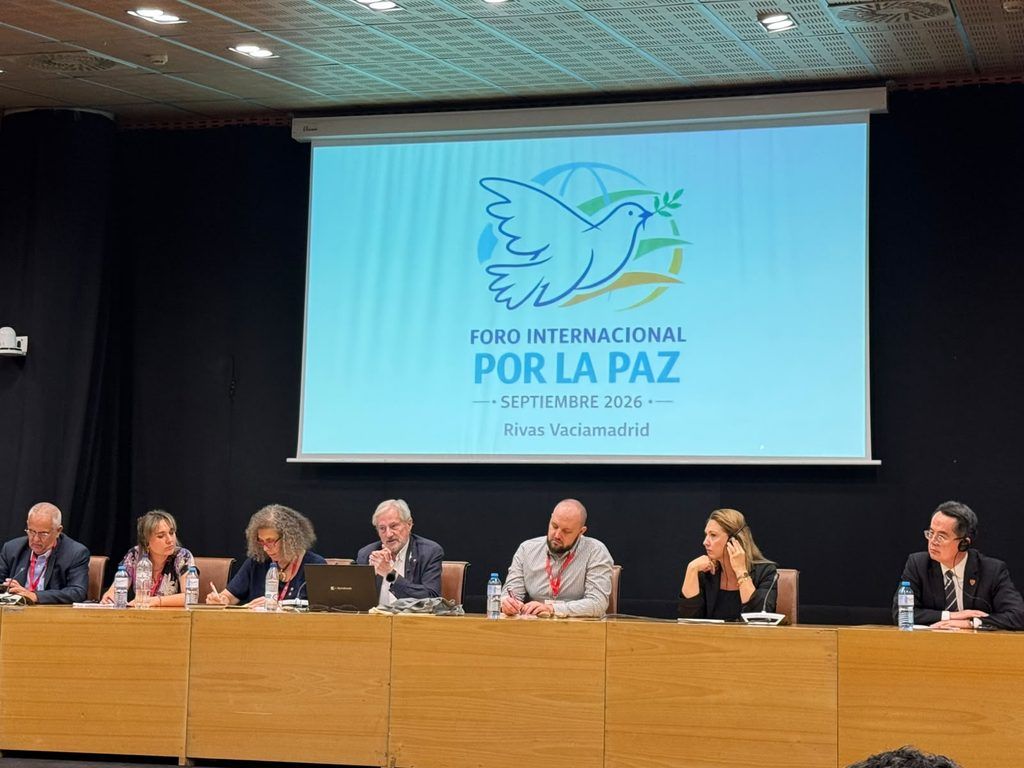
The Rivas International Peace Forum Approves a Roadmap to Fight Escalating Militarism and Defend Peace, Multilateralism, and Peaceful Coexistence
63 organizations from 32 countries propose creating an International Observatory and a Parliamentary Network to work on a common security model.
Rivas-Vaciamadrid, September 25, 2026
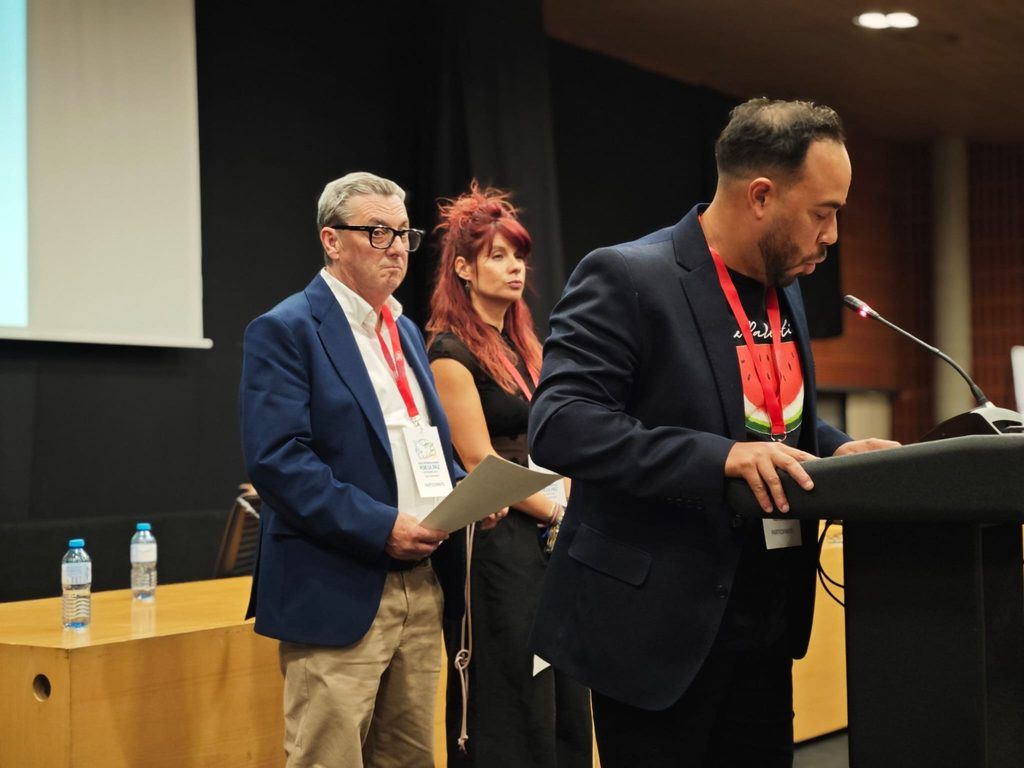
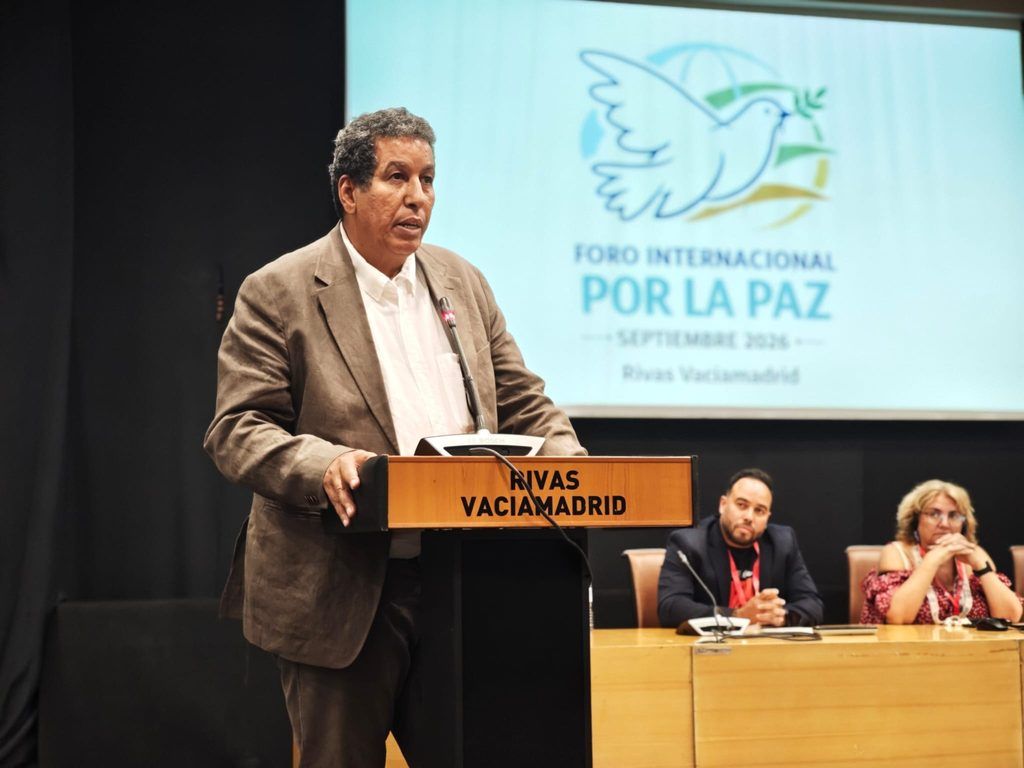
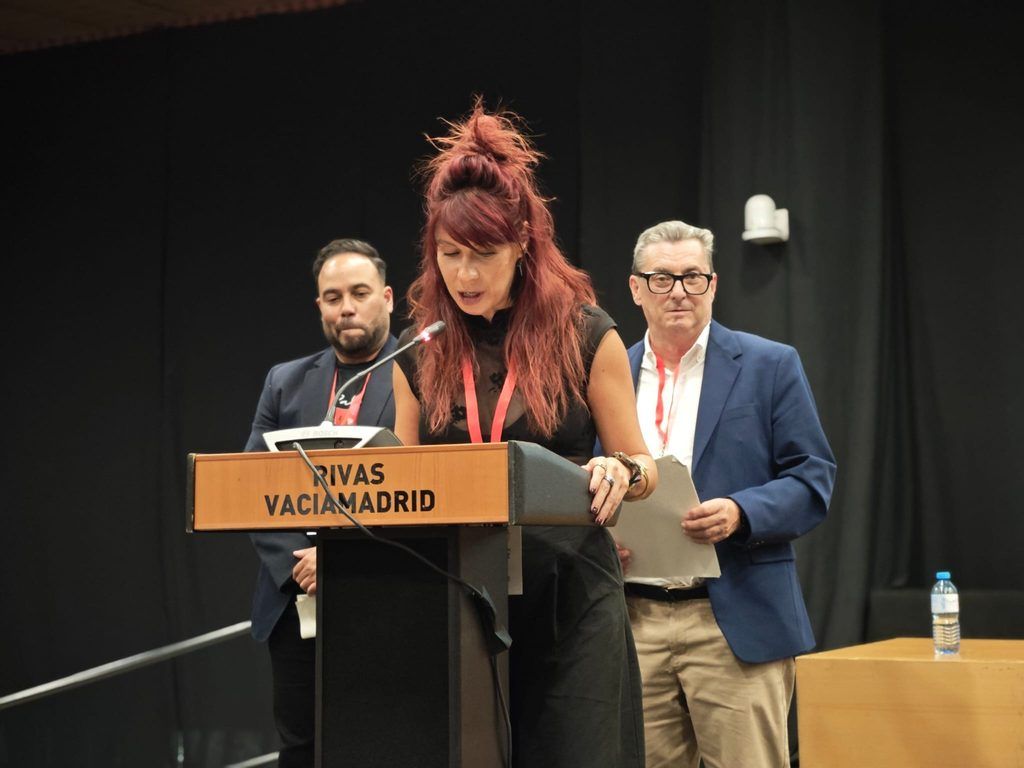
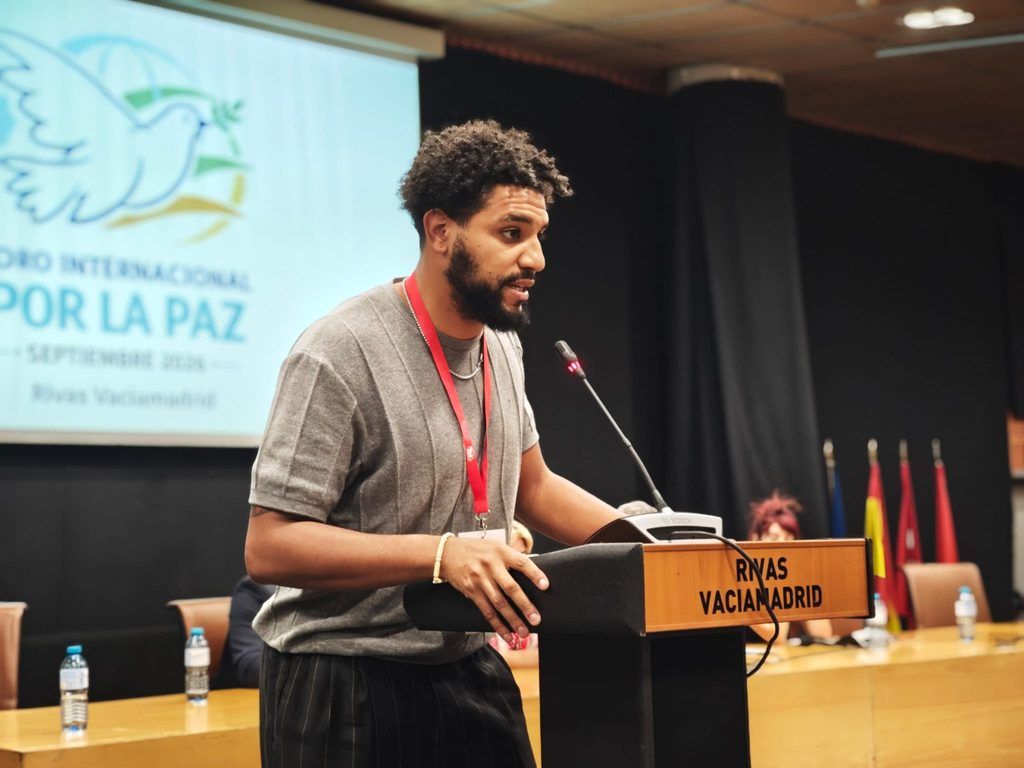
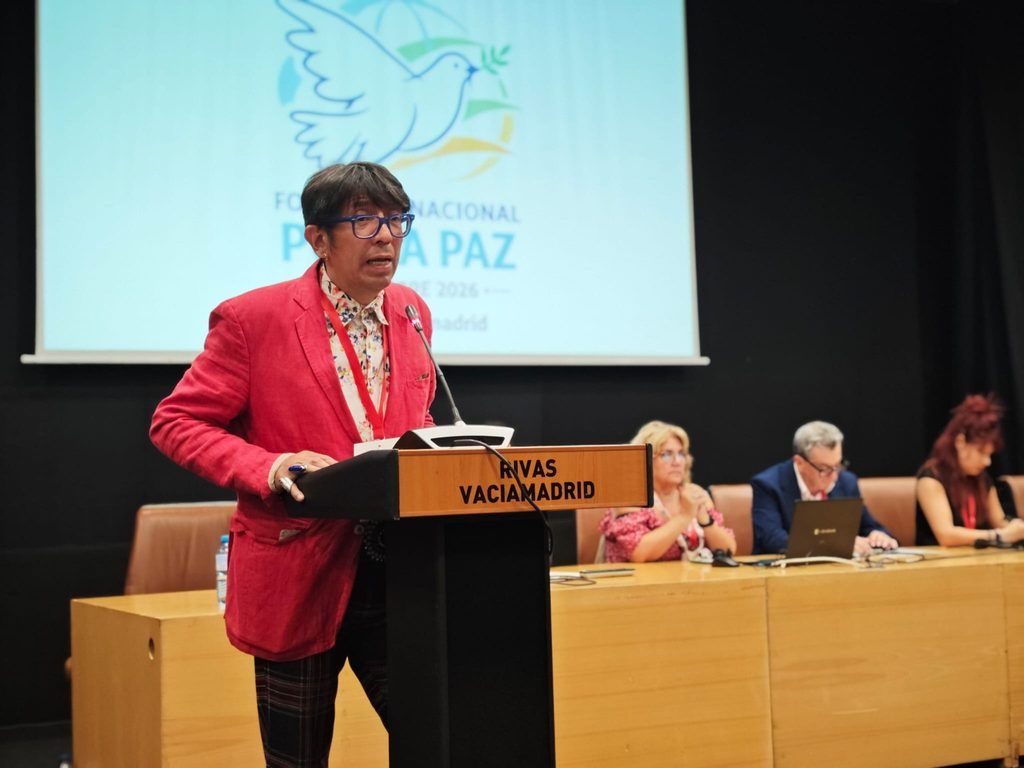
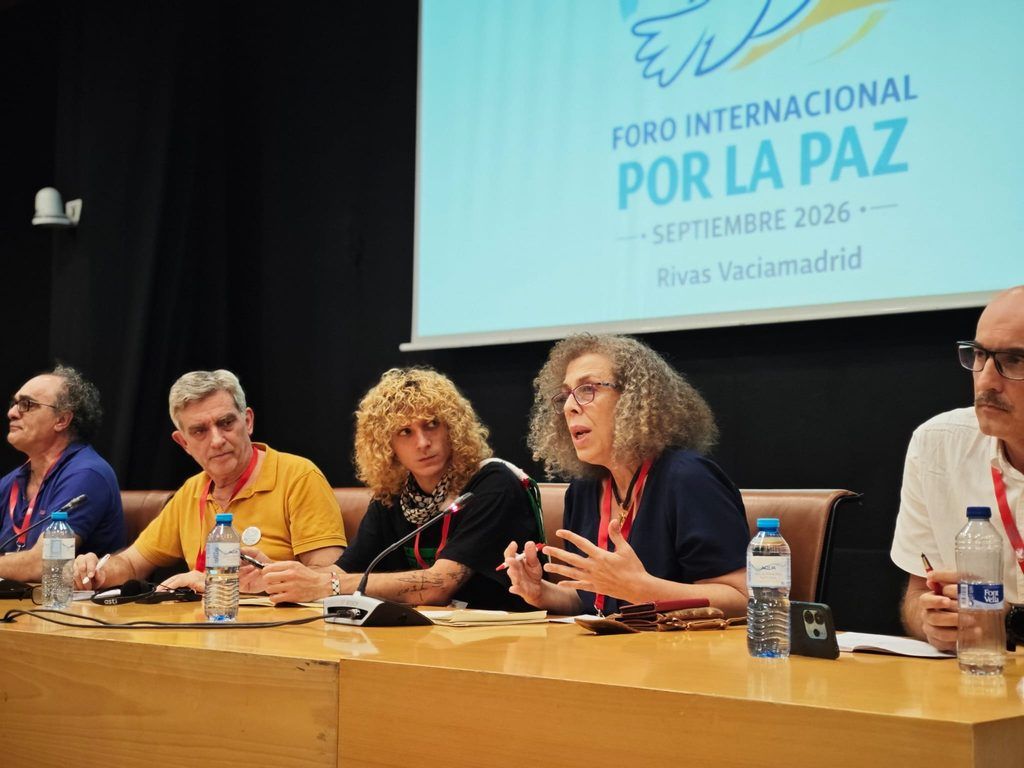
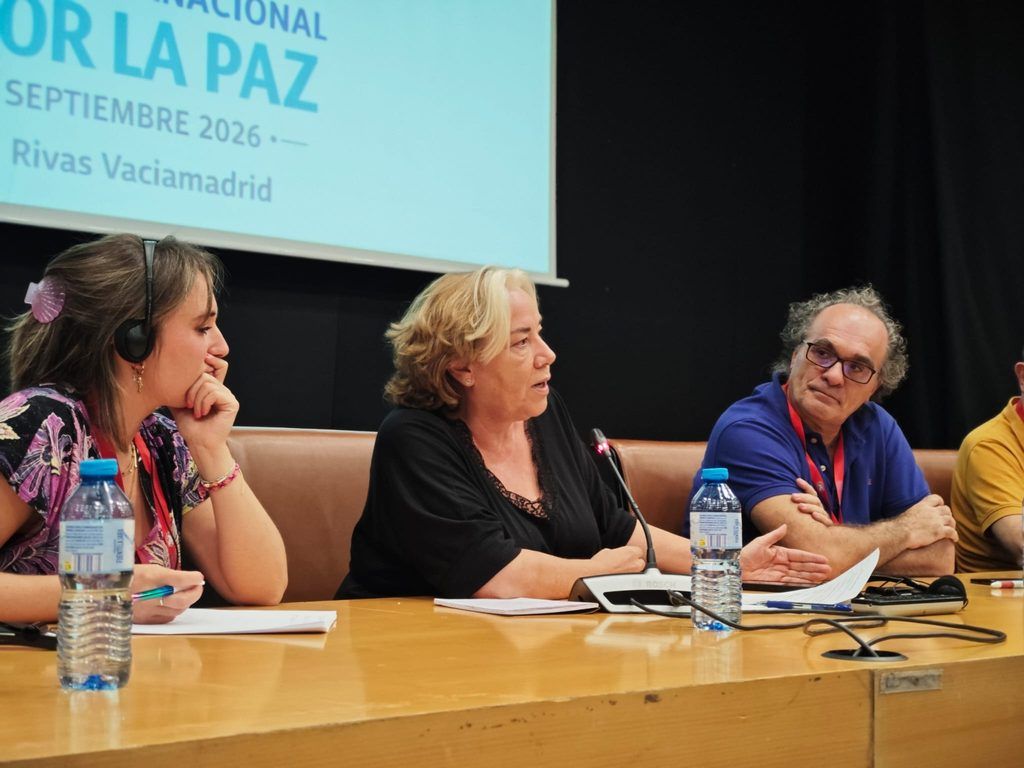
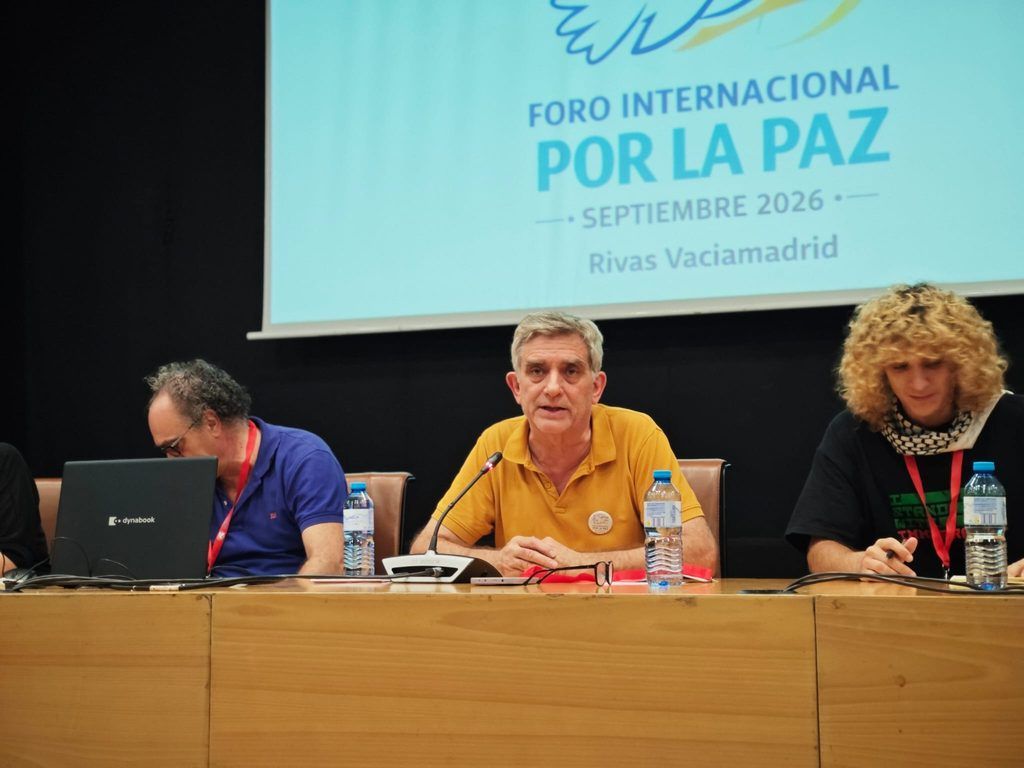
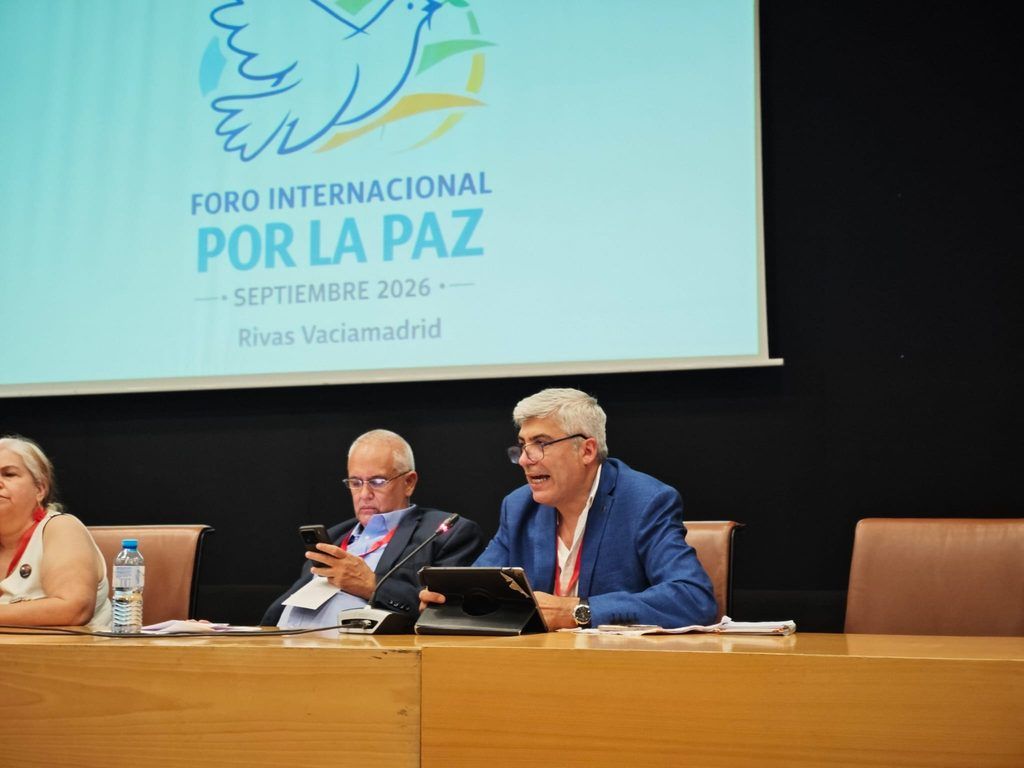
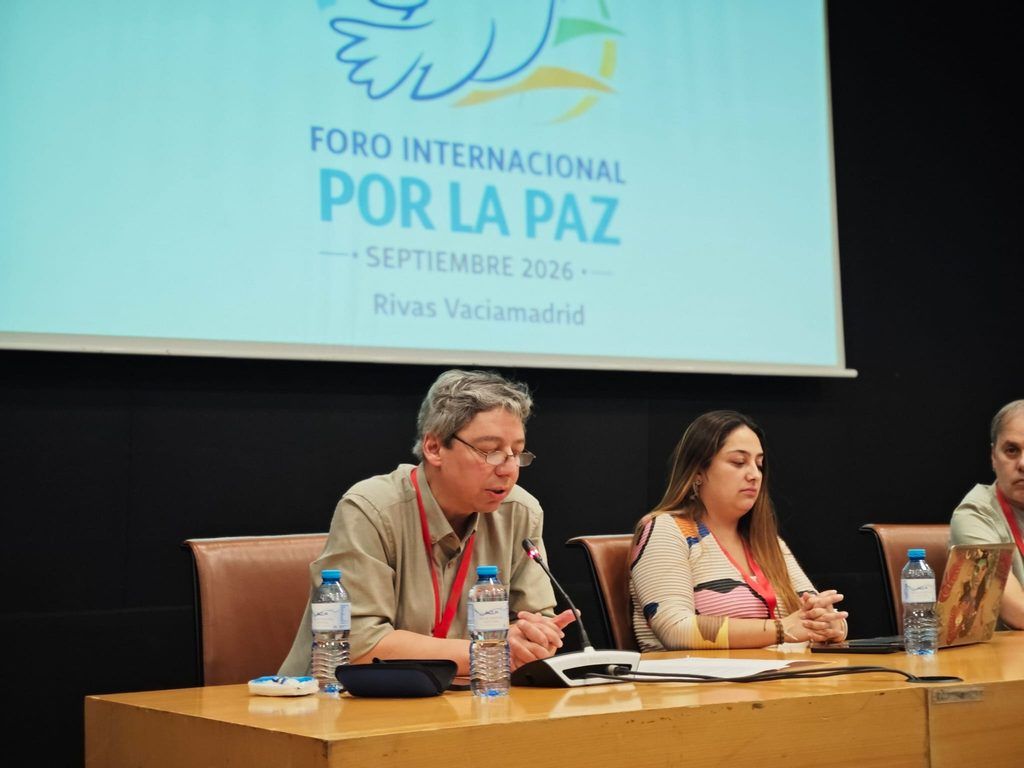
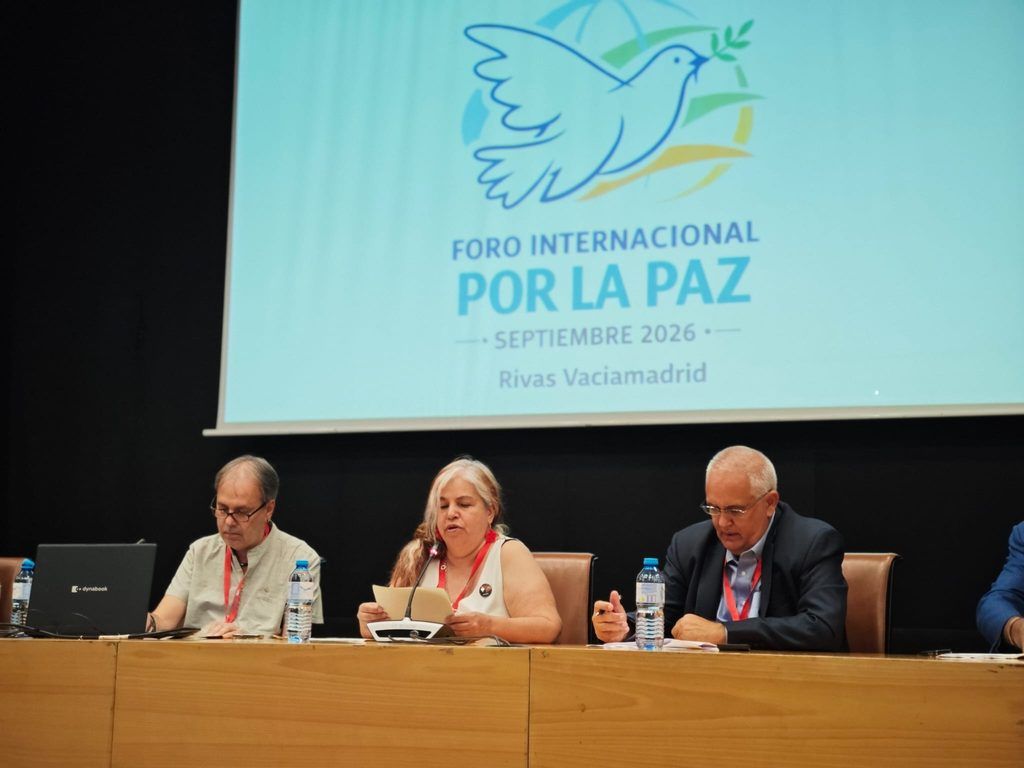
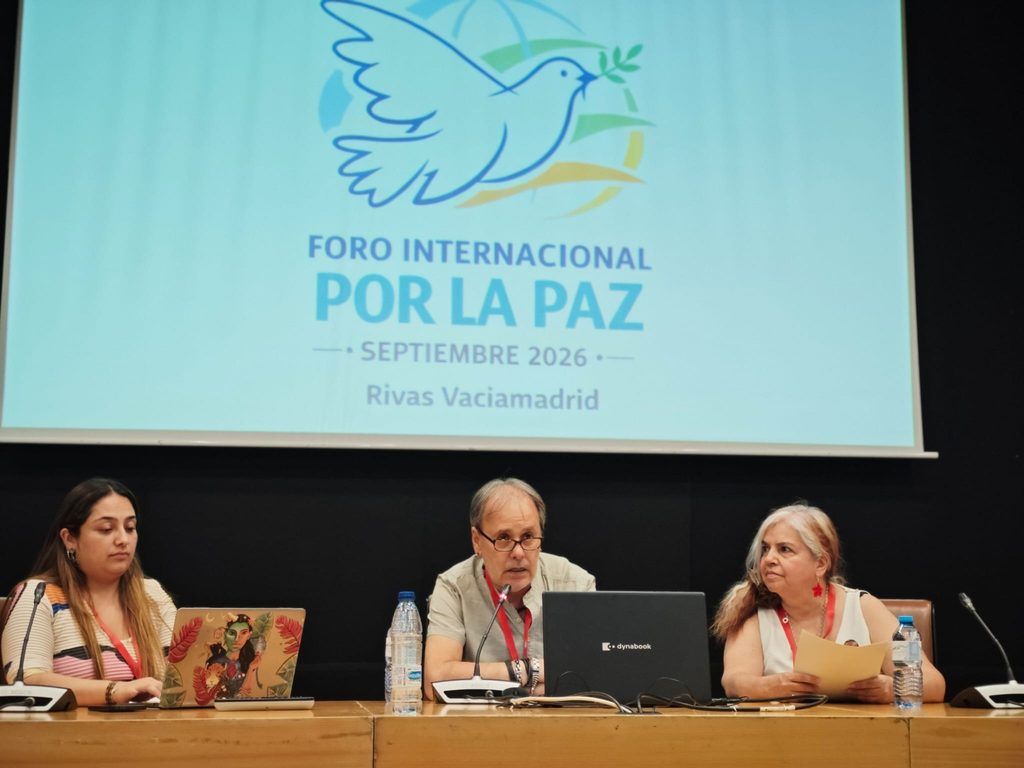
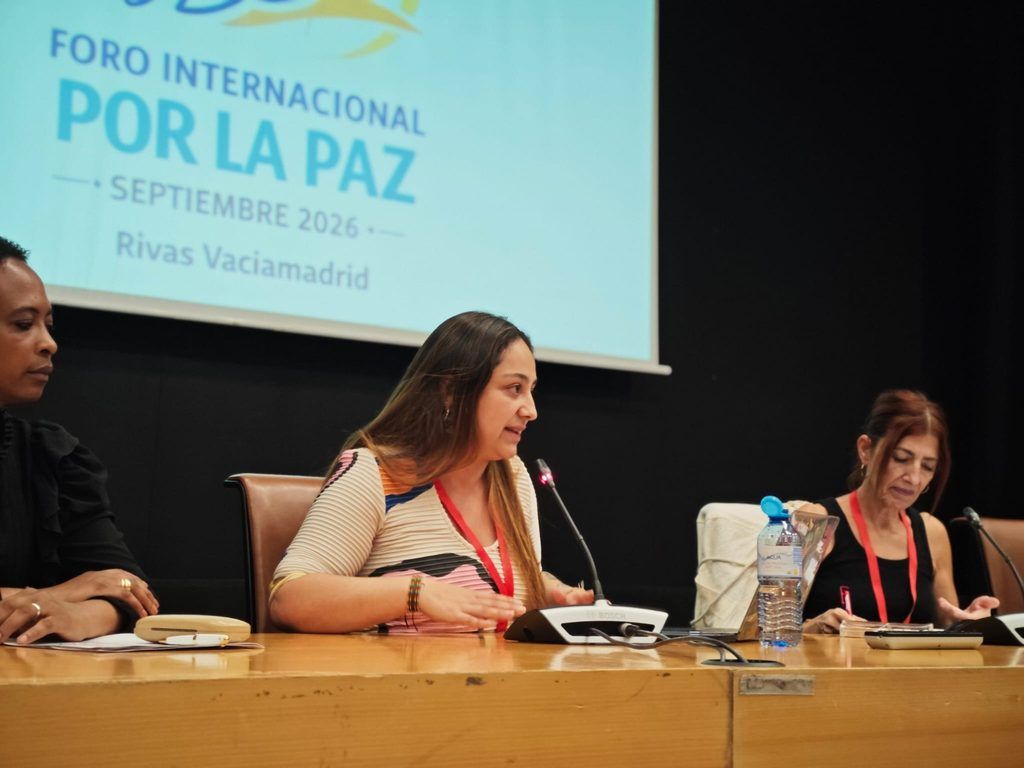
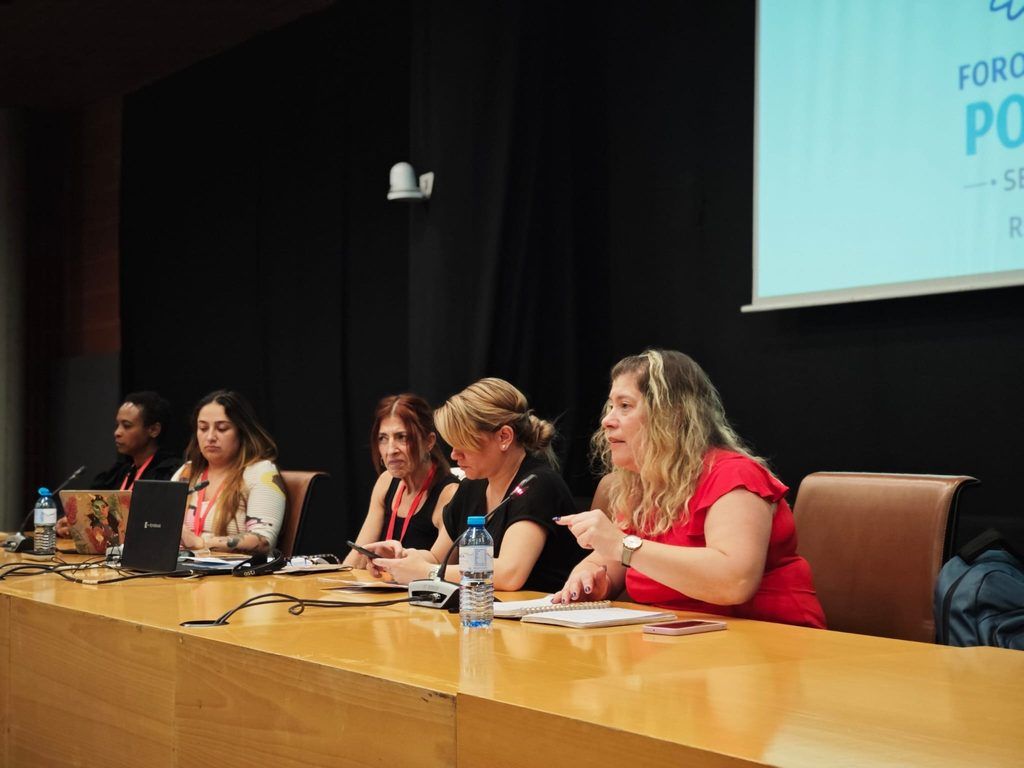
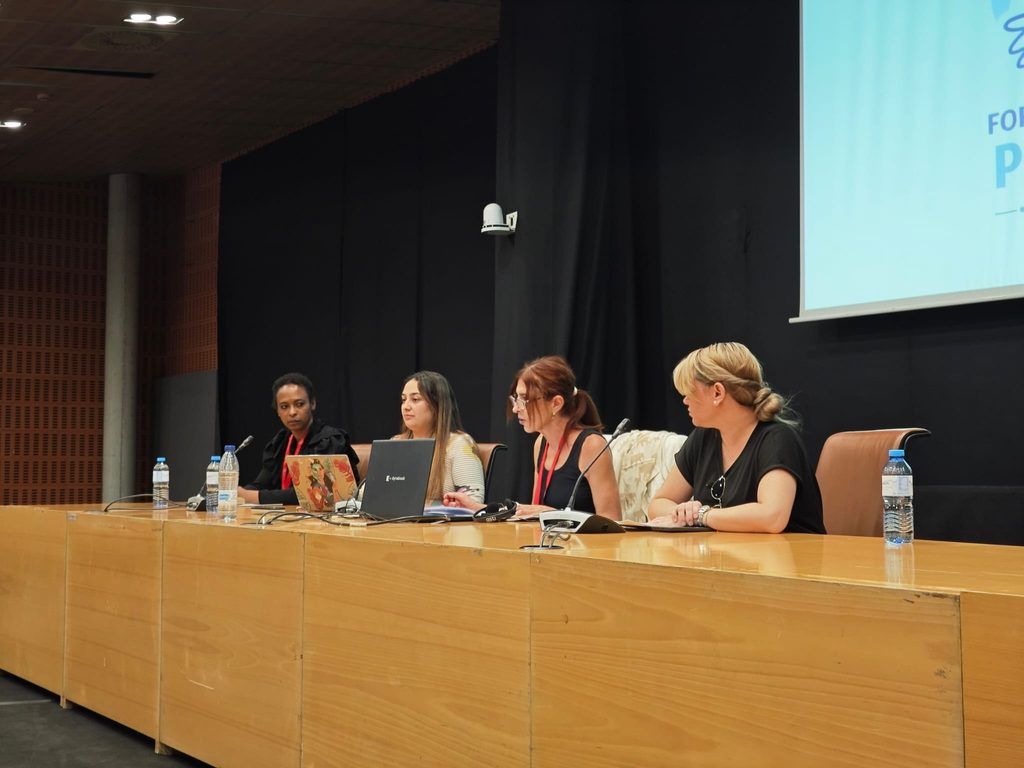
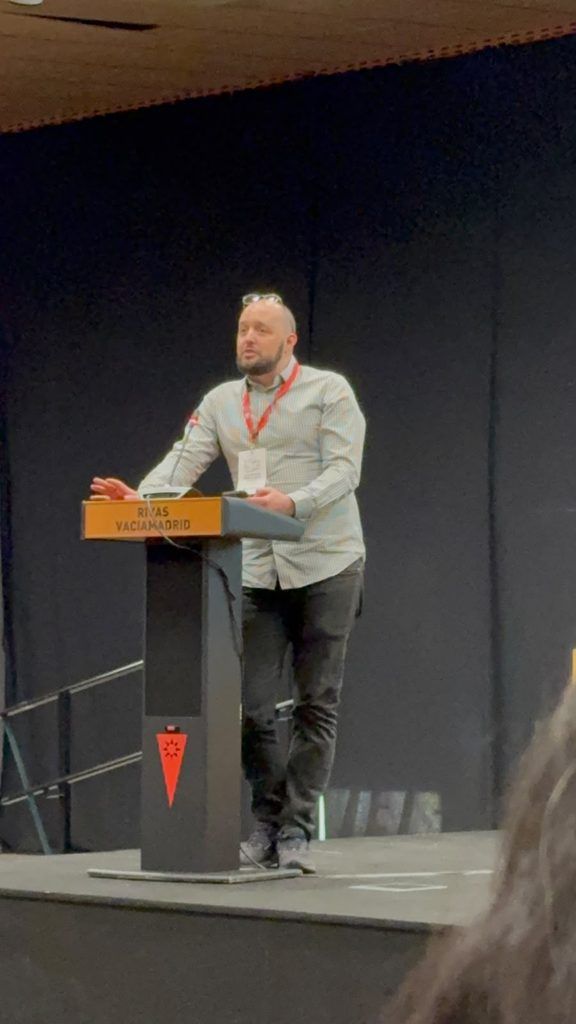
Against an international backdrop marked by growing instability and global rearmament, the International Peace Forum concluded this Friday in Rivas-Vaciamadrid. It brought together 63 organizations from 32 countries with the aim of mapping out diplomatic alternatives to what they describe as one of the most dangerous periods since World War II.
The forum’s panels centered the debate on the need to transition away from a unipolar international order—sustained by record increases in global military spending, which reached $2.718 trillion in 2024—toward a multilateral framework of peaceful coexistence.
Speakers at the forum denounced the financial priorities of global powers, noting that they continue to divert essential funds that should instead go toward healthcare, housing, and the fight against hunger. Similarly, during the working sessions and five thematic panels held at the gathering, delegations analyzed key conflict hotspots:
- Middle East and North Africa: The forum condemns the crisis in Palestine and Lebanon, as well as the recent aggression against Iran that threatens energy security in the Strait of Hormuz.
- Latin America: It demands the immediate removal of the economic blockade and energy siege imposed by the United States on Cuba, while also rejecting coercive measures and aggression against Venezuela.
- Eastern Europe and Sub-Saharan Africa: The forum urged negotiated solutions to end the war in Ukraine and the dynamics of conflict in Sudan, the Democratic Republic of the Congo, and Western Sahara.
The forum also made an urgent appeal for the signing of an international treaty guaranteeing the prohibition and ecologically safe dismantlement of nuclear arsenals, which currently exceed 12,000 warheads globally. Furthermore, peace was linked to climate justice following the commitments of COP30 in Belém, and special focus was placed on protecting women and migrants affected by wars and human trafficking networks.
Unlike other international gatherings, the Rivas Forum aims not to end merely with a statement of principles and intentions. To ensure the continuity of its work and follow up on agreements, the participating organizations have established a roadmap with commitments to create:
- International Coordination Mechanism: Concrete proposals to formalize a permanent communication and cooperation network will be presented before the end of 2026, operating continuously through 2027.
- New Monitoring Institutions: Approval was granted to propose an International Observatory on Conflict Resolution and Militarism to prepare periodic reports, alongside the structure of a Parliamentary Network connecting lawmakers from Latin America, the Caribbean, and Europe.
- Mobilization Calendar: Endorsing the Stop Rearm Europe campaign and actively joining the days of pacifist mobilization scheduled for November 20 and 21, 2026, was also agreed upon.
Finally, the forum proposed promoting the submission of peace resolutions to the UN, UNESCO, WHO, and IMO, as well as seeking strategic diplomatic alliances with global integration platforms such as BRICS+, CELAC, the African Union, and ASEAN.
Political and social organizations and embassies
1- Partido Comunista de España
2- Izquierda Unida
3- Ayuntamiento de Rivas Vaciamadrid
4- Partido Comunista de Cuba
5- Partido Comunista de Portugal
6- Partido Comunista de Francia
7- Foro Europeo
8- Partido Comunista de Uruguay
9- Frente Amplio de Uruguay:
10- PTB
11- Refundación Comunista
12- Stop Rearm Europe
13- Intal Bélgica / RedFox
14- FPLP
15- Revolución Ciudadana de Ecuador
16- Unión de Juventudes Comunistas de España (UJCE)
17- Asociación Patrice Lumumba
18- Transform Europe
19- Foro de São Paulo
20- Celac Social
21- Partido Comunista Colombiano y Pacto Histórico
22- International Peace Bureau (IPB)
23- Socialistas Democráticos de América (DSA)
24- Federaciob Democrática Internacional de Mujeres
25- Moviniento Democratico de Mujeres
26- Pax Christi
27- Justicia y Paz España
28- Morena
29- Partido de la Izquierda Europea (PIE)
30- World Beyond War
31- Alianza Negra por la Paz
32- Al -Haq
33- Partido Comunista de Chile
35- CCOO
36- UGT
37- Mundubat
38- Unadikum
39- Movimiento Pacifista de Castilla-La Mancha Mujeres de Negro
40- Bloque de Resistencia y Rebeldía Popular de El Salvador, Madrid:
41- Argentina Soberana, Madrid
42- Solidaridad con Cuba, Madrid
43- Asociación Guinea Bissau Amilcal Cabral
44- Asociación Mujeres Africanas en España
45- AKEL Chipre
46- Gabon
47- Senegal:
48- Embajada China
49- Embajada Cuba
50- Embajada Polisario
51- Movimiento Pan-africano
52- Embajada Palestina
53- Embajada Vietnam
54- Partido Comunista de China
55- Centro Estudios y Trabajos Nueva Ruta de la Seda
56- Fundacion Mwhana Glenn
57- Guinea Ecuatorial
58- Iniciativa por el Retorno a Palestina
59- Asociación Violeta Parra Chile
60- Partido Comunista Peru
61- Partido Comunista Bolivia
62- Catedra China
63- Asociación Embajadores/as por la Paz
Photos