A Region in Crisis
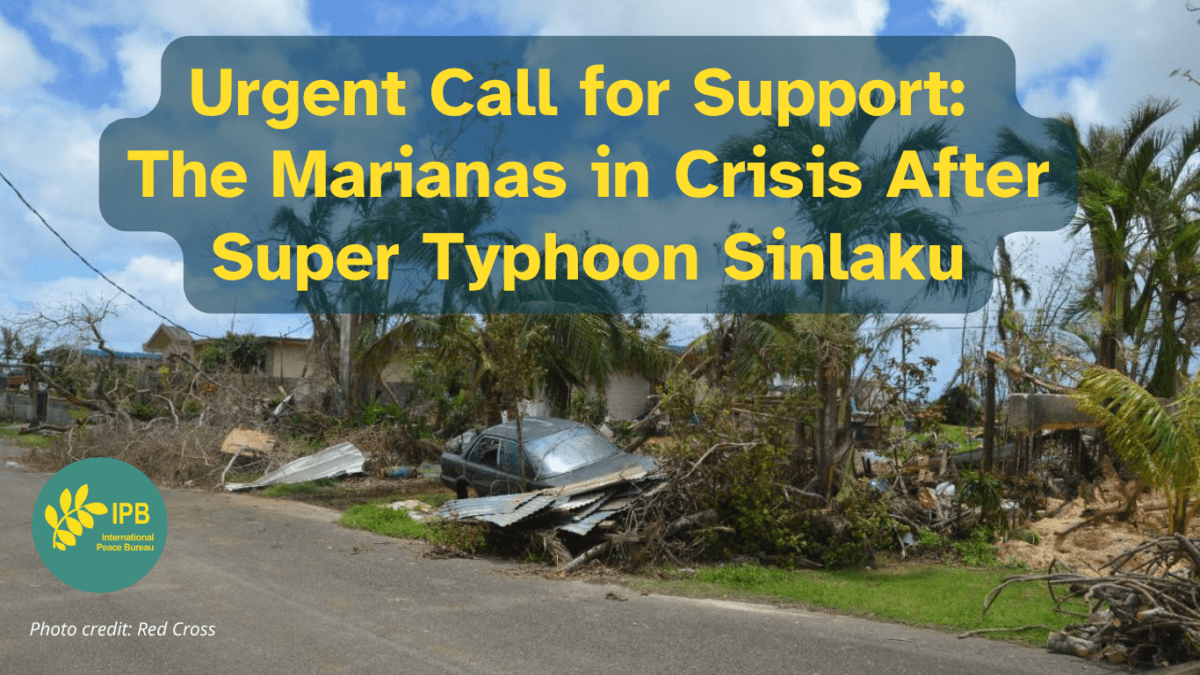
The Mariana Islands are facing a severe humanitarian emergency following the impact of Super Typhoon Sinlaku, a Category 4 storm that struck the region last April 14. As communities begin the long and difficult recovery process, the full extent of the devastation is becoming clear.
The storm swept across the entire archipelago, with Saipan and Tinian experiencing the strongest impact, facing winds of up to 170 mph. Rota and Guam were also significantly affected, with winds reaching up to 80 mph. Moving slowly, the typhoon lingered for over 50 hours, bringing record rainfall and widespread flooding.
Impact on Communities
- Homes destroyed and infrastructure severely damaged
- Power lines down; thousands without electricity and running water
- Over 800 people in emergency shelters in Guam
- More than 500 displaced in the Commonwealth of the Northern Mariana Islands (CNMI)
- Injuries reported, with some residents still trapped
This is a moment of deep loss and uncertainty for communities across the islands.
Support Community-Led Response
Local organizations, including Common Wealth 670 in Saipan and Prutehi Guåhan, have mobilized quickly to support affected families. They have created a directory for direct aid, allowing supporters to contribute directly to those impacted.
Direct mutual aid is critical at this time to ensure resources reach communities quickly and equitably.
Why Your Support Matters
In the aftermath of disasters, recovery efforts can become centralized or controlled in ways that may not fully meet community needs. Supporting grassroots initiatives helps strengthen local resilience and ensures aid reaches those who need it most.
Additional Ways to Help
Call for Resources
If you are aware of funding opportunities, partnerships, or rapid response resources that could support local organizations, please get in touch.
Stand in Solidarity
With limited internet and cell service, communication remains challenging. While efforts are underway to deliver essential supplies, direct financial support remains one of the most effective ways to help.
Now more than ever, solidarity and mutual aid are essential—not only for recovery, but for building long-term resilience.