
Yayoi Tsuchida – Board Member

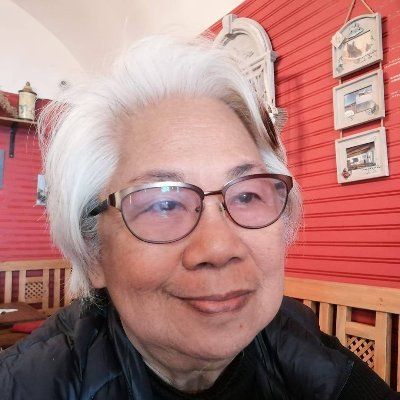
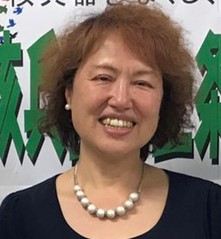
Yayoi Tsuchida was elected a board member in 2022 and has been re-elected for a second term in 2025.

She has worked at the Japan Council against Atomic and Hydrogen Bombs (Gensuikyo) for more than 30 years in different positions. Since 2006, she has served as the Assistant General Secretary of Gensuikyo. Before that, she had been working at the League of Arab States Tokyo Office, the South Yemen Embassy, as well as the Japan Press Service.

Sooyoung Hwang – Board Member

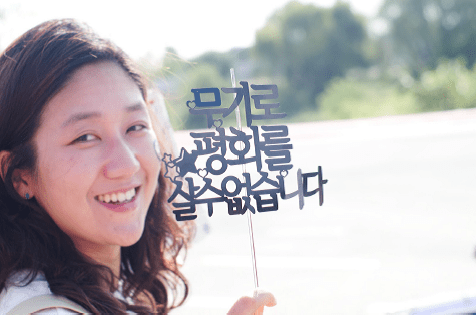
Sooyoung Hwang was elected as board member of IPB in October 2022.

Sooyoung has worked in the field of peace and disarmament for many years. She is currently the Secretary General of the Korea Peace Appeal, a peace campaign to end the Korean war. Furthermore she is the Manager of the Center for Peace and Disarmament and Center for International Solidarity of the People’s Solidarity for Participatory Democracy (PSPD). She has previously worked as Coordinator for Imagination for International Solidarity (IFIS).

Kitwe Mulunda Guy – Board Member

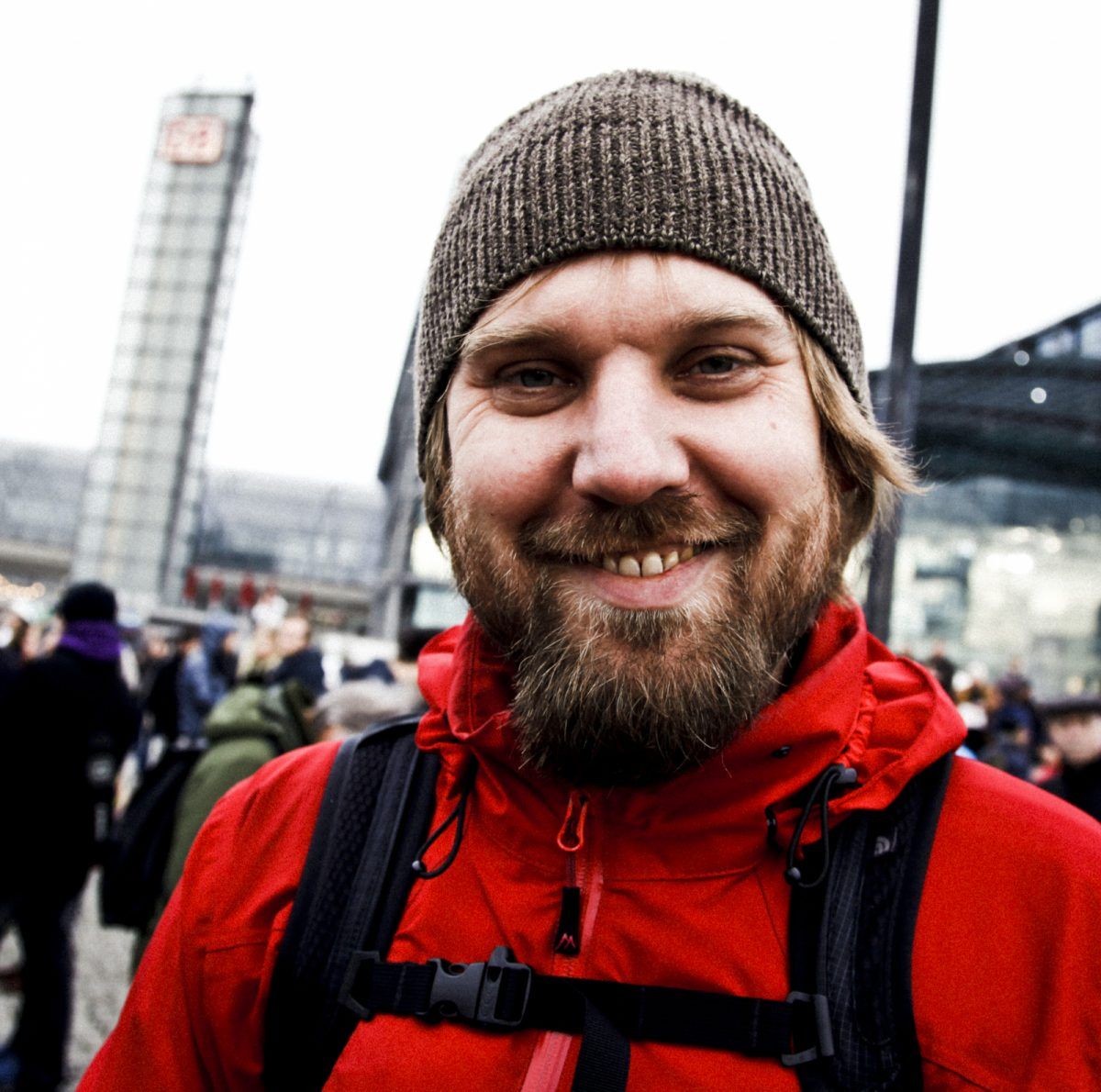
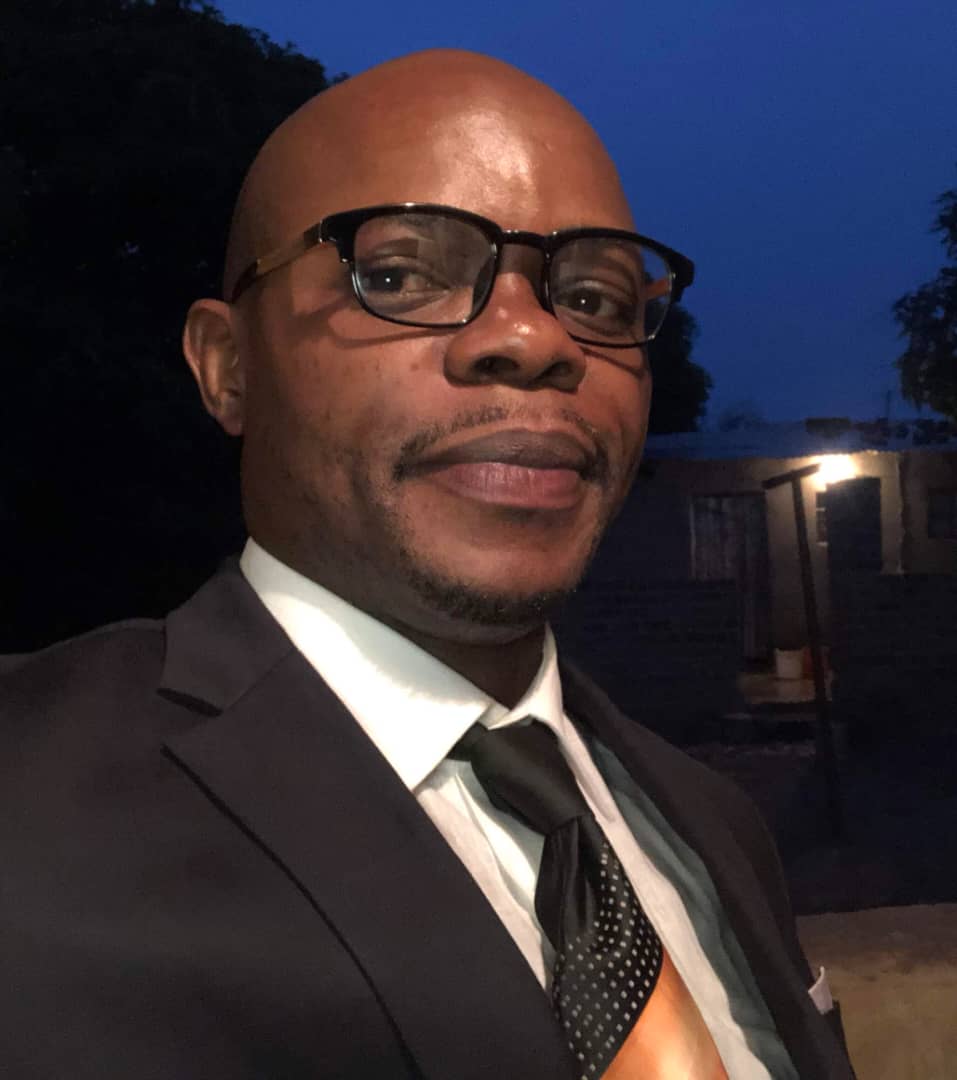
Kitwe Mulunda Guy has been elected as IPB board member in October 2022.

He holds a bachelor’s and master’s degree in Social Work and has worked on many scientific publications on social, psychological and historical aspects of human rights violations. He is a Senior Lecturer (Professor) in Humanities and Social Sciences at the CPU, South Africa and DRC since 2013 and has served as EXCOM/Council member of IRCT from 2008 to 2012. Since 2015 he is the Executive Director of SAVE CONGO.

Raza Shah Khan – Board Member

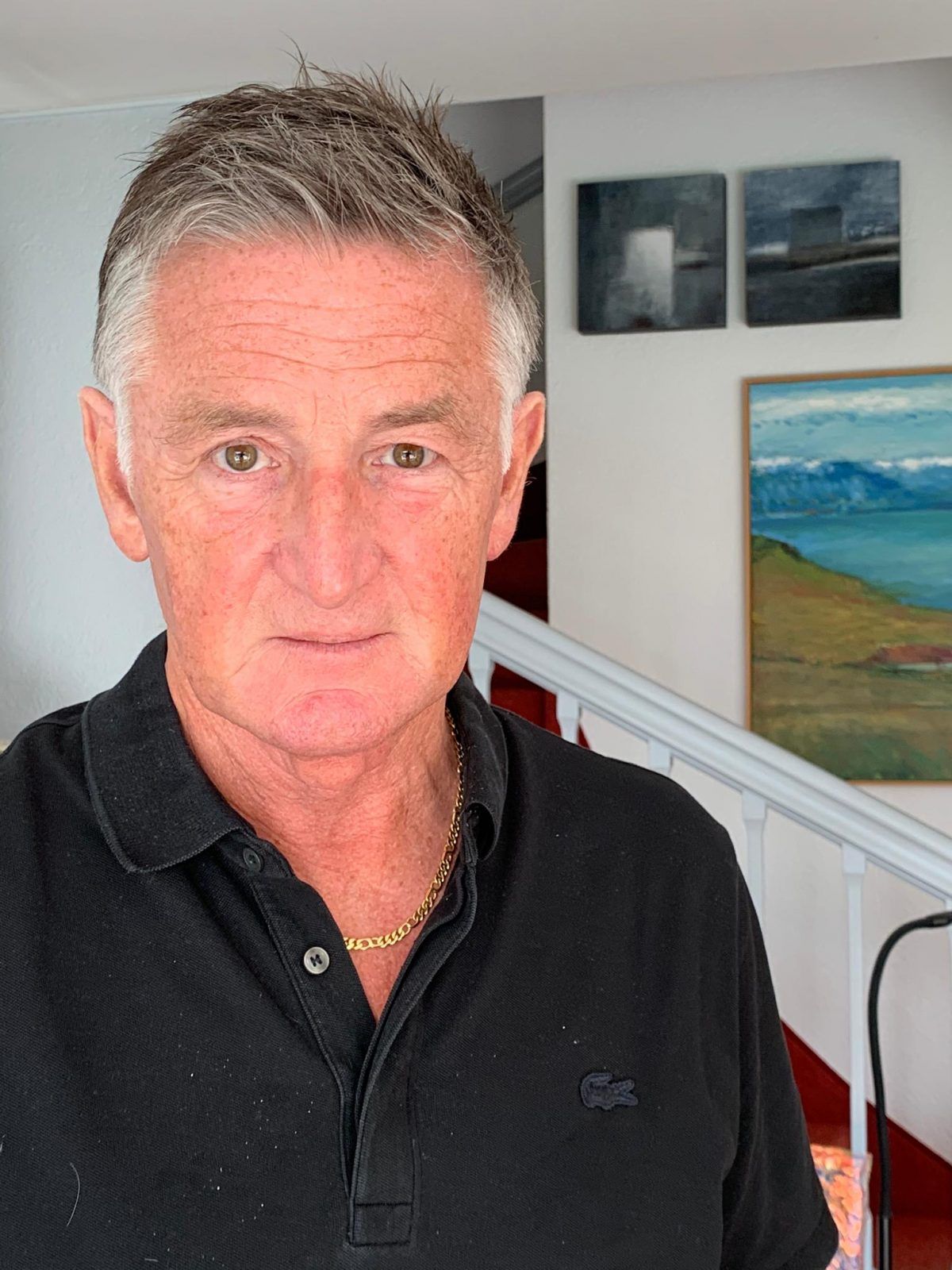
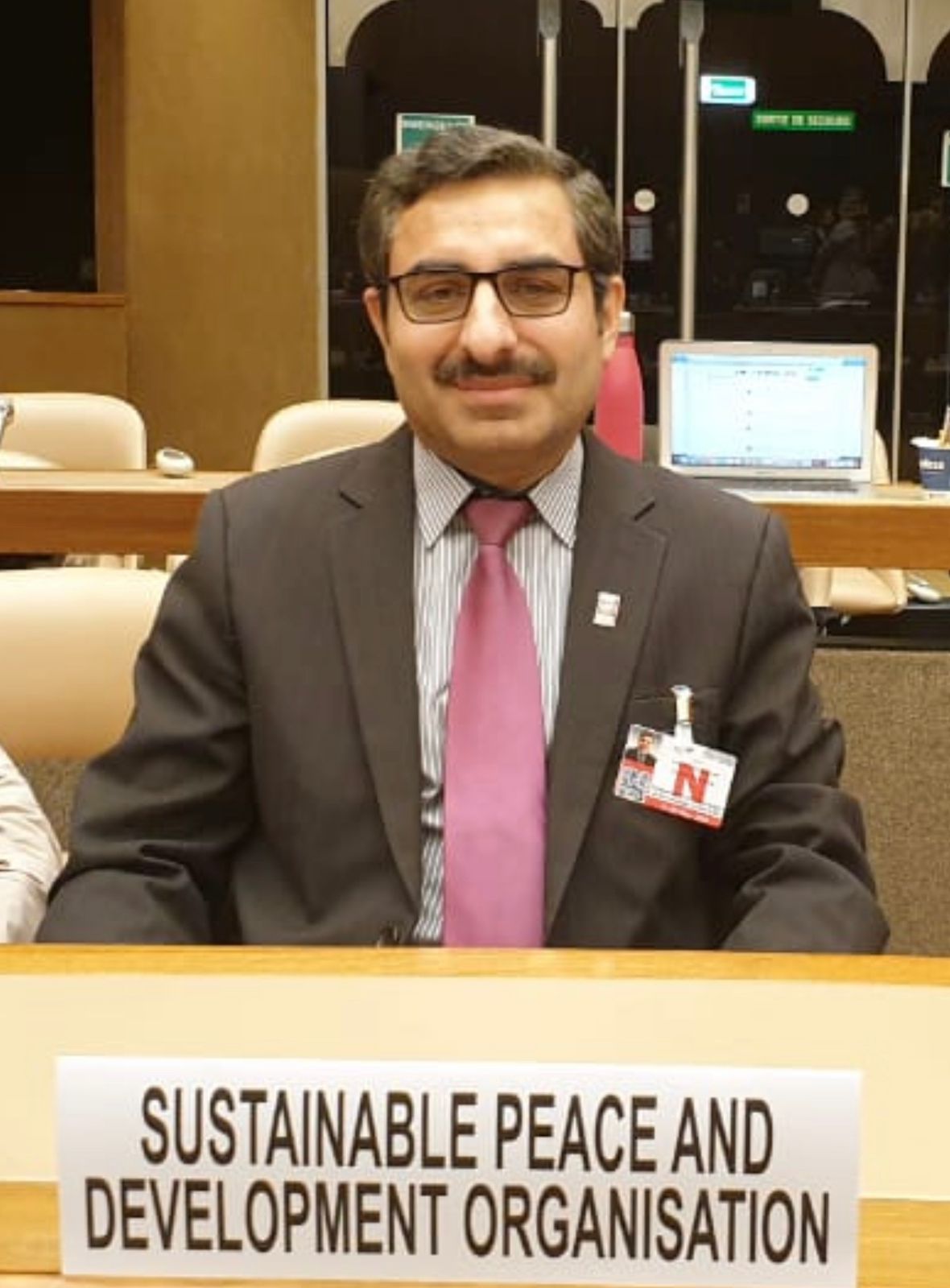
Raza Shah Khan was elected a board member in 2022 and has been re-elected for a second term in 2025.

He has more than 25 years of experience in the field of peace and disarmament. Raza has a master’s degree in Peacebuilding from Coventry University in the UK and has worked on several humanitarian disarmament campaigns, e.g. the International Campaign to Ban Landmines, the Cluster Munition Coalition, the International Action Network on Small Arms, and the Campaign to Stop Killer Robots since then. Furthermore, he is currently the Chief Executive of the Sustainable Peace and Development Organization (SPADO), which aims to promote a peaceful environment for all people.

Dr. Lisa Linda Natividad

Dr. Lisa Linda Natividad has been elected as IPB board member in October 2022.

She is a Professor of Social Work at the University of Guam. Lisa is also the primary convener of the Guahan Coalition for Peace and Justice and a founding member of I Hagan Famalao’an Guahan.   She is an indigenous CHamoru who has championed the exposure of the human rights violations against her people and homeland Guahan, which is a military colony of the United States.  She has spoken globally on the topics of demilitarization, decolonization, and the critical role women play in the creation of safe and thriving communities.  Dr. Natividad has presented interventions on the halting of the massive military build-up on Guahan before the United Nations Fourth Committee, Decolonization Committee, and the Permanent Forum on Indigenous Issues.  She is a former member of the Guam Decolonization Commission and has spoken on these issues in Japan, the Philippines, the Untied States, Norway, Ecuador, Fiji, and other countries.  Dr. Natividad joined the IPB Council in March 2021.

Kate Hudson – Board Member

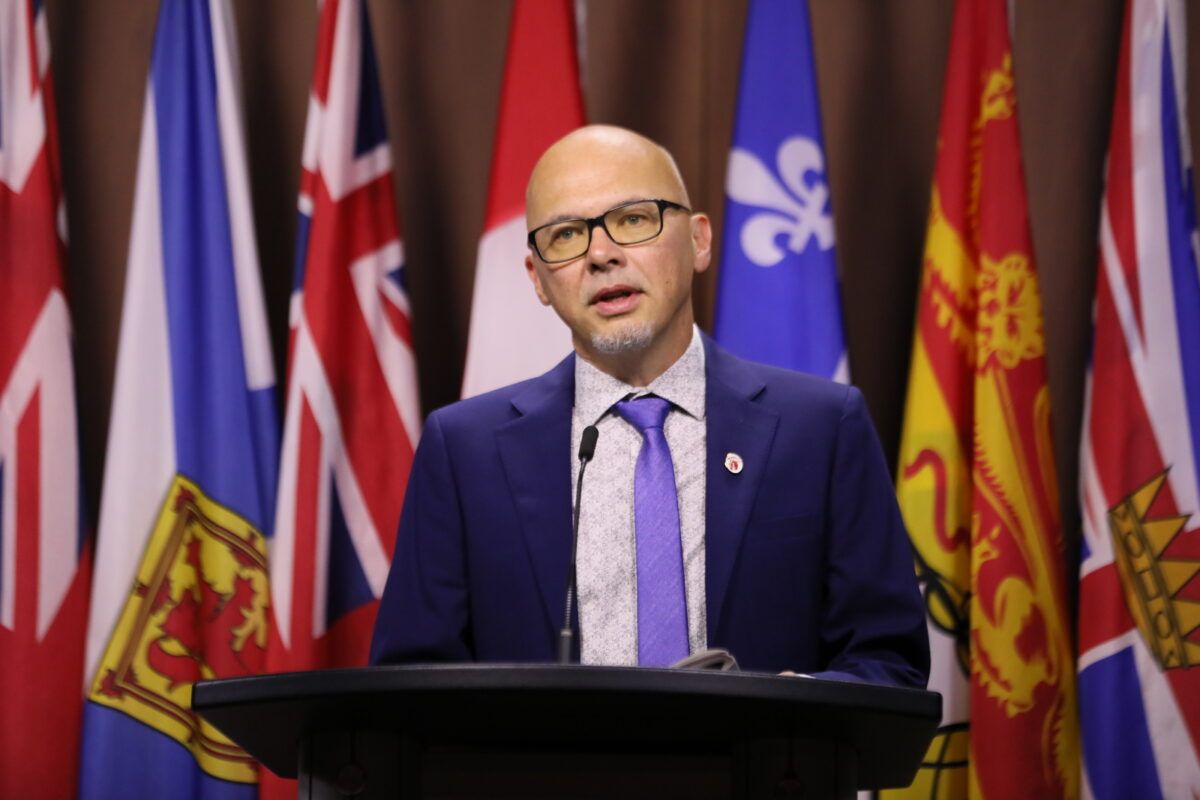
Kate Hudson was elected a board member in 2022 and has been re-elected for a second term in 2025.

Kate is currently General Secretary of the Campaign for Nuclear Disarmament (CND). She have held that post since 2010 and prior to that she was Chair of CND from 2003 to 2010. Before employment with CND, she was Head of Social and Policy Studies at London South Bank University. By profession, she is a historian and has a PhD from the University of London, School of Slavonic and East European Studies.

60 Years of the Cuban Missile Crisis – A message by Noam Chomsky

Sixty years ago, the world experienced a direct and dangerous confrontation between the United States and the Soviet Union, when the two superpowers came closest to a nuclear conflict in the midst of the Cold War. The leaders from both countries engaged in a tense, 13-day political and military standoff in October 1962 over the installation of nuclear-armed Soviet missiles on Cuba, just 90 miles from U.S. shores.

You are currently viewing a placeholder content from YouTube. To access the actual content, click the button below. Please note that doing so will share data with third-party providers.

More Information

Sixty years later, the world finds itself living a confrontation that flirts and mentions the threats of nuclear armament. These past months we came close to seeing how mistakes from the past still reverberate, and that on present days we need more than ever a look back to understand the seriousness of even considering the use of such weapons.

In this message, Noam Chomsky enlightens us with his experience tracing a parallel between present struggles and the Cuban Missile Crisis, highlighting different and common characteristics, and pointing out aspects that can guide us through the resolution of such conflicts in current times.

More info:

www.ipb.org

www.cpdcs.org

An Appeal for Peace in Armenia

We Demand Peace!

We, a group of people who stand for peace, from the post-Soviet space
and its neighborhood exhausted by never-ending wars and growing
imperialist rivalry on our territories, are full of rage as we have
observed Azerbaijan’s recent large-scale attack on Armenia. This,
coupled with Russian Federation’s attack on Ukraine and the renewed
military clashes in border areas between Kyrgyzstan and Tajikistan,
raises heavy concerns regarding possible future escalations not only
in the Armenia-Azerbaijan conflict but all other conflicts in the
post-Soviet space.

The recent attack on Armenia has costed hundreds of lives within two
days from both sides of the conflict, caused serious destruction to
civil infrastructure in Armenia, displaced thousands, and further
widened the gap between the countries and their people. We raise our
persistent voices against the continuing warfare.

The second Karabakh war two years ago was a devastating experience,
from which the Armenian and Azerbaijani societies have not yet
recovered and remain deeply antagonized. Officials need to finally
understand that military means cannot solve the conflict but they only
deepen the divide between the two countries and cause more violence
and human suffering. We welcome the truce that halted the violence on
September 15 and demand for permanent return to the negotiation table
without any further escalations or violence.

The Azerbaijani side should realize that the “corridors” cannot be
opened, and a peace treaty cannot be achieved through military
aggression. Such prospects are unacceptable for people whose daily
lives would presumably be crossed over by these “corridors,” as they
will not let borderland populations on both sides cooperate with each
other. No one can be forced into peace. Officials in Armenia, in turn,
should recognize the damage their rigid negotiation position had done
for over 30 years, including the displacement of hundreds of thousands
of Azerbaijanis, and their refusal to compromise and settle the
conflict in a timely manner.

Negotiations “mediated” behind closed doors, that do not take into
consideration the livelihood and human needs of people affected, are
doomed to fail. The best mediators for interstate negotiations are
non-state peace-oriented/peacebuilding communities of both countries
who have a great experience of overcoming their own disputes and
facilitating dialogues between other people from their countries with
antagonistic positions.

We see the clear connection of the developments in
Armenian-Azerbaijani conflict and peace processes with the dynamics of
the war in Ukraine. The deadly war in Ukraine has caused great
turbulence and instabilities in the wider region, exposing the simple
truth that violence creates more violence. There is no military
solution to any conflict and human life is of absolute value. The only
priority should be nonmilitary diplomatic solutions that are always
possible regardless of whatever statesmen try to convince us. The
inability or unwillingness of states to solve the problems through
non-violent means and ensure human security can no longer be
tolerated.

Since the dissolution of the Soviet Union, we’ve lived through decades
of violence. We continue to suffer through regularly recurring warfare
on the territory of Ukraine, Russia, Armenia, Azerbaijan, Tajikistan,
and Kyrgyzstan. We are deeply concerned about overt attempts to reopen
the Moldovan/Transdniestrian, Georgian/Abkhaz and Georgian/Ossetian
conflicts. The confrontation between NATO and the Russian Federation
on the territory of Ukraine is playing out primarily at the expense of
lives of people in Ukraine and, increasingly, residents of Russian
regions adjacent to Ukraine. Moreover, hundreds of military men from
Ukraine and Russia are killed daily.

If we stay on the current trajectory, it is only a matter of time
until the ongoing and recurring warfare in different regions of
Eurasia will synergize with one another and with wars in other parts
of this world, turning into a bigger regional or global war and
sacrificing more and more people from numerous countries.

We cannot afford this! We do not call for peace – we demand peace! We
demand that governments commit to non-use of force, to engage in
genuine search for diplomatic solutions that prioritize human
security, and to stop interfering with, and better yet, support
people-to-people contacts and peacebuilding.

We demand that international actors involved in the official
negotiations ensure that the voices of people affected by conflict are
heard and that people-to-people negotiations and human security
considerations are at least on an equal footing with the official
negotiation process.

For more information: https://postsovietpeace.mailchimpsites.com/

To join the statement, send us your full name, country and profession
at postsovietpeace@gmail.com.